Firmware Updates: Why They Matter More Than You Think
Firmware sits at the core of reliable industrial automation—powering controllers, HMIs, drives, and connected machines that keep production lines running smoothly. In today’s fast-paced manufacturing environment, machines are becoming smarter, connected, and more efficient—but only when the software running inside them remains properly maintained and updated.
This article explains what firmware is, why updates matter, and how maintaining current firmware improves performance, strengthens security, and extends the operational life of your automation systems.
Why Firmware Matters
Industrial automation depends on precision, repeatability, and stability. Firmware acts as the operating intelligence inside industrial devices. It controls communication between hardware components, regulates motion behavior, processes sensor signals, and ensures instructions from PLCs and HMIs are executed correctly.
While hardware often receives the most attention, outdated firmware can silently cause communication errors, slower response times, compatibility conflicts, and unexpected machine behavior. Even a minor firmware mismatch between devices can result in machine stoppages, inaccurate readings, or reduced production efficiency.
A properly maintained and updated firmware environment provides:
- Consistent machine performance and stable operations
- Improved communication between PLCs, drives, and HMIs
- Enhanced cybersecurity protection against vulnerabilities
- Optimized processing speed and response accuracy
- Longer equipment lifespan and reduced maintenance downtime
What is Firmware?
Firmware is the built-in software embedded inside industrial hardware devices such as HMIs, PLC controllers, drives, and other automation equipment. Unlike traditional computer software, firmware does not run as a separate application — it lives directly inside the device and controls how the hardware behaves and communicates.
In factory automation and motion control environments, firmware acts as the operational intelligence layer between physical electronics and operator commands. Every input signal, machine command, and operational response depends on firmware logic executing correctly inside the system.
Firmware is responsible for coordinating device behavior and ensuring machines operate predictably during continuous production cycles.
1. Interpreting Machine Commands
When an operator presses a button on an HMI or a PLC sends an instruction, firmware translates that digital instruction into real hardware action. It tells motors when to start, valves when to open, heaters when to regulate temperature, and sensors how to react. Without this interpretation layer, the machine cannot execute tasks accurately.
2. Managing Inputs and Outputs
Automation systems rely on constant feedback from sensors — temperature probes, proximity sensors, encoders, pressure switches, and safety interlocks. Firmware processes these signals in real time and determines the correct machine response. This ensures machines react immediately to changing operating conditions.
3. Controlling Communication Between Components
Modern industrial systems consist of multiple devices communicating simultaneously: PLCs, drives, robots, HMIs, and remote I/O modules. Firmware governs industrial communication protocols and ensures data is transmitted correctly between components. Stable communication prevents synchronization errors, production interruptions, and unpredictable machine behavior.
4. Ensuring Operational Stability and Safety
Safety systems depend heavily on firmware accuracy. It monitors abnormal conditions such as overloads, overheating, signal failures, or communication faults and triggers alarms or shutdown procedures. Reliable firmware prevents equipment damage and protects operators working around automated machines.
Simply put: without firmware, automation hardware cannot function.
Why Firmware Updates Matter
Just like machines require scheduled mechanical maintenance, firmware also requires periodic updates to remain reliable and effective. Manufacturers continuously release firmware updates to improve device behavior, resolve operational issues, and adapt systems to changing industrial requirements.
Over time, automation environments evolve — machines connect to new equipment, production speeds increase, and cybersecurity expectations become stricter. Updated firmware ensures industrial hardware can operate correctly within these modern conditions rather than becoming a performance bottleneck.
Below are the primary reasons firmware updates are essential in automation systems:
1. Performance Improvements
Firmware updates frequently include internal optimizations that allow machines to run smoother and more efficiently. These improvements may enhance motion control response, improve cycle timing accuracy, and stabilize machine behavior during continuous production. In applications such as injection molding, hydraulic control, or material handling, even small performance improvements can significantly increase production consistency and throughput.
2. Bug Fixes
After equipment is deployed in real operating environments, rare faults or edge-case errors may appear. Firmware updates correct these issues by resolving glitches, communication interruptions, or stability problems that were not detected during initial testing. Fixing these bugs prevents unexpected stoppages and ensures reliable machine operation across long production cycles.
3. Security Enhancements
With the rise of Industry 4.0 and Industrial IoT, connected automation devices are increasingly exposed to network-based threats. Updated firmware includes security patches that protect controllers, HMIs, and connected equipment from unauthorized access, malware risks, and data manipulation. Maintaining current firmware therefore becomes a critical cybersecurity practice, not just a maintenance activity.
4. New Features & Capabilities
Manufacturers often add functionality through firmware rather than hardware changes. Updates may introduce improved diagnostic tools, advanced alarms, better data logging, remote monitoring compatibility, or expanded integration with IoT dashboards and supervisory systems. This allows facilities to enhance machine capability without replacing existing equipment.
5. Extended Hardware Life
Efficient firmware reduces internal system stress and improves operational stability. By optimizing device behavior and preventing recurring faults, updates help extend the usable lifespan of controllers, HMIs, drives, and automation systems. Proper firmware maintenance can delay expensive equipment replacement and lower long-term operational costs.
Risks of Igning Firmware Updates
Many facilities underestimate firmware maintenance because machines may continue operating even when outdated. However, neglecting updates gradually introduces operational risk. As production demands increase and networks evolve, outdated firmware can become a hidden cause of inefficiency and failure.
Ignoring firmware updates can result in:
- Reduced Efficiency – Older firmware may lack cycle optimization and consume more energy during operation.
- System Downtime – Unpatched software issues can lead to sudden machine stoppages or instability.
- Higher Maintenance Costs – Repeated faults and troubleshooting increase repair time and service expenses.
- Security Vulnerabilities – Outdated devices can become entry points for cyberattacks within connected factory networks.
- Missed Opportunities – Facilities may be unable to adopt modern monitoring tools, analytics, or integration features available to updated systems.

Real-World Examples
Firmware updates do not just improve system specifications on paper — they directly influence real factory performance across multiple industrial applications.
- Injection Molding Machines: Updated firmware improves precision in injection speed and pressure control, reducing product defects and improving overall part quality.
- Hydraulic Systems: Firmware patches enhance motion accuracy and optimize pressure regulation, which can reduce energy consumption and improve operational stability.
- IoT-Enabled HMIs: Firmware upgrades strengthen connectivity with dashboards, SCADA systems, and remote monitoring platforms, allowing operators to monitor machines from anywhere.
In each case, a simple firmware update can significantly improve operational efficiency and cost savings without requiring hardware replacement.
How to Manage Firmware Updates Effectively
1. Stay Informed
Regularly check with your automation equipment provider for newly released firmware versions. Manufacturers publish updates to address improvements, compatibility requirements, and security patches. Keeping track of these releases prevents systems from falling behind current operational standards.
2. Schedule Updates
Always plan firmware upgrades during scheduled maintenance or production downtime. Updating during active production can interrupt operations or create incomplete update cycles that may destabilize equipment.
3. Test Before Wide Deployment
In facilities operating multiple machines, first test the update on a single unit. Observing system behavior under real operating conditions helps verify compatibility before applying the update across the entire production line.
4. Backup System Settings
Before performing any update, create a backup of machine parameters, recipes, and configuration settings. A backup allows quick restoration if the update is interrupted or if compatibility issues appear.
5. Seek Expert Support
If uncertainty exists, involve qualified automation engineers or the equipment manufacturer’s support team. Proper guidance ensures the update process is completed safely and avoids unintended operational issues.
Firmware & Industry 4.0
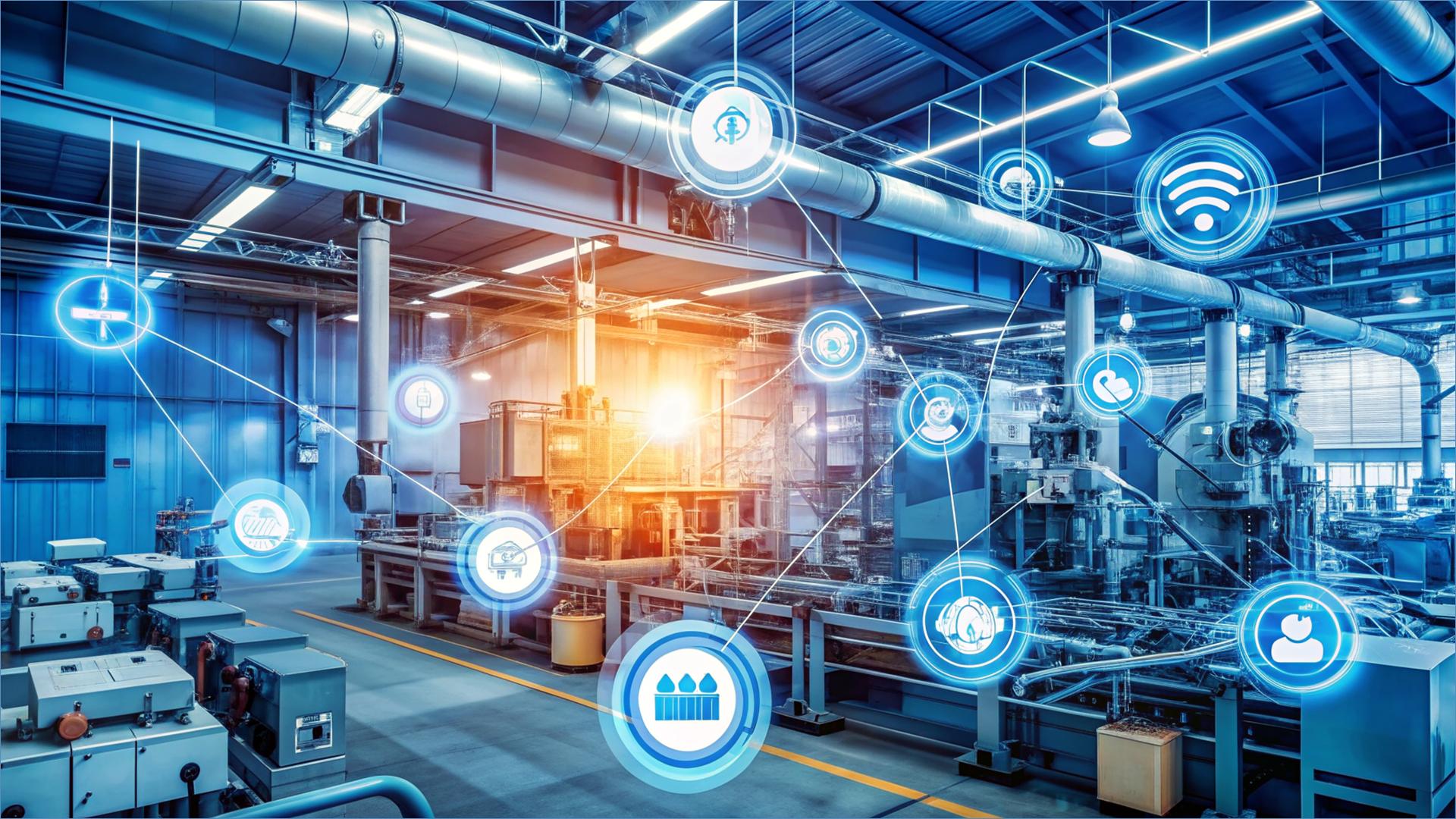
As factories transition toward smart, connected manufacturing environments, firmware becomes a foundational component of industrial infrastructure. Updated firmware ensures compatibility with modern digital ecosystems and allows machines to communicate effectively within integrated production networks.
Firmware updates help automation systems integrate with:
- IoT monitoring platforms
- Cloud-based dashboards
- Predictive maintenance systems
- Advanced analytics and AI-assisted decision tools
Without proper firmware maintenance, machines risk becoming isolated systems that cannot participate in modern data-driven manufacturing workflows.
Keeping Machines Future-Ready
Automation equipment designed with ongoing firmware support provides long-term operational value. Regular firmware maintenance ensures improved performance, continuous optimizations, and compatibility with evolving industrial technologies.
Benefits of maintaining updated firmware include:
- Improved machine efficiency
- Continuous bug resolution and stability improvements
- Compatibility with Industry 4.0 technologies
- Extended equipment service life
- Secure and stable machine operation
Access to documentation, update files, and technical support resources makes it easier for operators and maintenance teams to keep systems running reliably.
Conclusion
Firmware updates may appear minor compared to mechanical or hardware upgrades, but in reality they define the reliability of modern automation systems. Maintaining current firmware improves operational efficiency, strengthens cybersecurity, reduces maintenance costs, and extends equipment lifespan.
For modern manufacturing facilities, firmware maintenance is no longer optional — it is a critical part of maintaining stable and future-ready production systems.